














Flux Image to Video: Add Motion to an Existing Image

Give finished FLUX artwork a moving next moment

Use this Flux image to video workflow to give artwork made with Black Forest Labs’ FLUX a next moment. Upload the image and describe what should move, then create a clip with a supported video model. FLUX supplies the source image here, rather than the video engine.

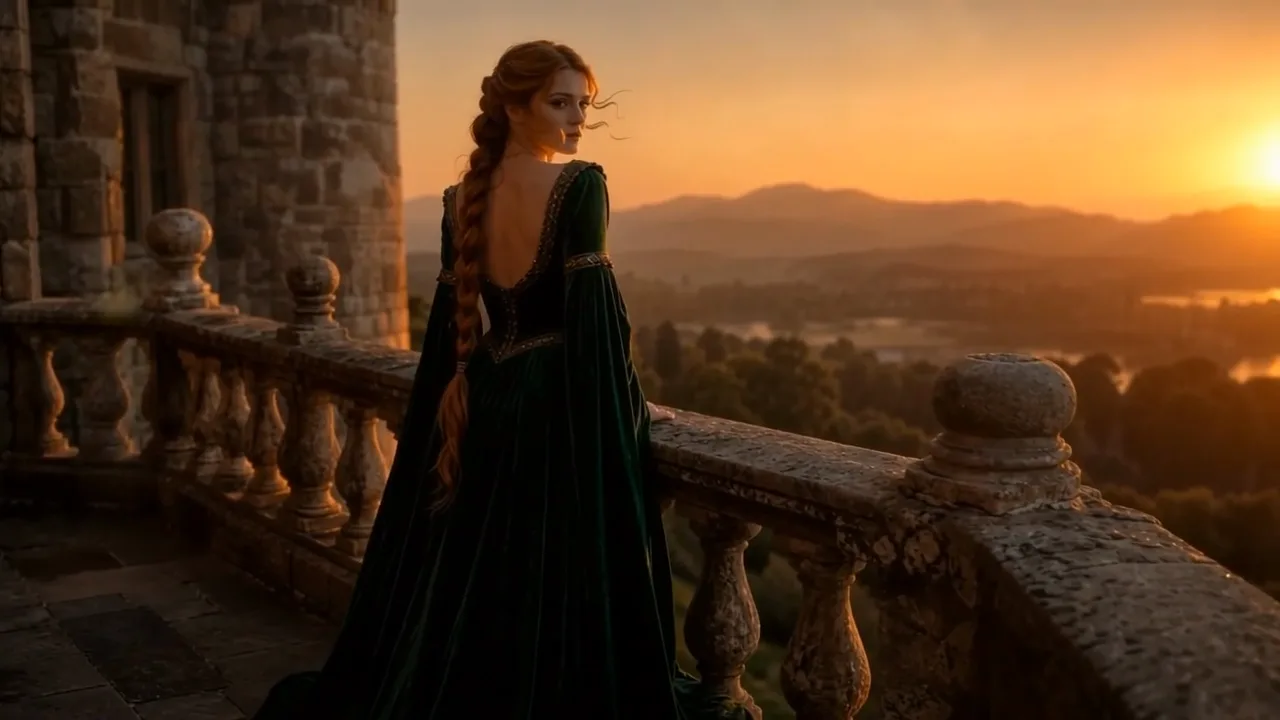
Woman in an emerald velvet gown on a castle balcony at sunset glances over her shoulder as her gown and hair ripple
Animate finished FLUX artwork
Choose a supported video engine
Guide subject and camera movement
Create clips for portfolio edits
Visual stories beyond a single still
Flux
Reference images
Prompt
0/4000
Duration
Resolution
Aspect ratio
Translate prompt
Number of outputs
Public Visibility
Required credits
30
Sample videos

From a FLUX Image to a Video Story Beat

Your FLUX artwork already gives the project a subject, setting and visual style. Bring that finished picture into ImgVid and describe the next moment. A supported video engine provides the motion step; FLUX remains the source of the original still.

Animate Your FLUX Image
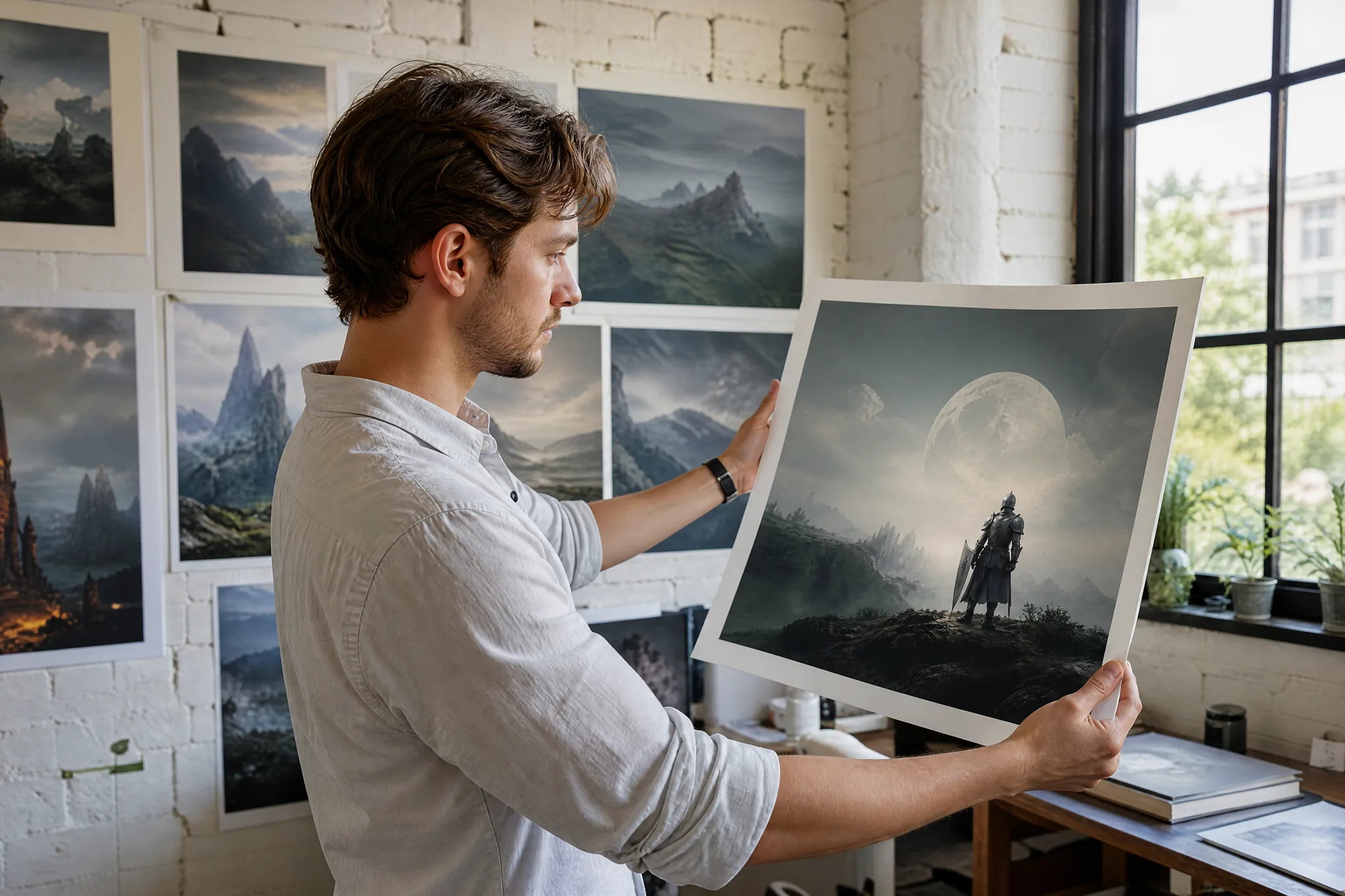
Concept artist in a bright loft studio holding up a printed artwork of a lone knight on a misty ridge beneath a pale moon

How Flux Image to Video Works

FLUX image to video starts with a finished FLUX image. Describe how the artwork should move, then compare the takes and keep the one that preserves its style.

1

Upload your finished FLUX image

Upload the artwork you already created in FLUX: a character, product scene, landscape or illustration. Flux image to video on ImgVid begins with that finished still rather than running FLUX as a video engine, so export the version whose framing you want the clip to open on.

2

Describe how the artwork should move

Write a simple action around your source: a character glance, a camera reveal or movement in the background. Flux image to video works best when the clip has one clear visual purpose, so name the moment you want instead of listing every element that could move.

3

Create the motion concept

Select a compatible ImgVid video engine and the duration, framing and resolution options it offers for image input. Generate when the source image and motion direction are ready, then compare the take with your original FLUX still.

4

Develop the moving artwork

Compare the Flux image to video take with the details and style of your original image, especially faces, lettering and fine textures that define your style. Download the take you choose for a portfolio, visual story or creative presentation.

Take Your FLUX Image from Still to Motion

Flux image to video uses finished FLUX artwork as the visual starting point for a separate video-generation step.

Continue the idea in your finished artwork

Keep the composition you created in FLUX as the starting point. Describe movement that suits its subject: a character turning, fabric catching the breeze or a gentle change in the surrounding light. Flux image to video carries your palette and framing into the first frame, and the chosen video engine supplies everything that happens after it.
Add direction through a motion prompt

Tell the video model where the attention should go. A slow push toward a face or a restrained reveal of the background can make the still concept useful as a shot, without designing a motion timeline first. With Flux image to video, a single sentence of direction replaces the keyframes you would otherwise set by hand in an animation tool.

Create material for your finished project

Preview the generated motion and choose the take that fits your artwork. Download the Flux image to video clip for a social post, portfolio reel or presentation, then add titles, transitions and sound in your usual editor, where you control the timing that a single generated take cannot.

Choose the performance of the scene

A quiet glance, a measured reveal or a small background action can tell different stories around the same artwork. Describe the movement that belongs to your idea, generate a second take with one change, and compare both results with the source to decide which performance suits the character.

Develop a moving portfolio concept

Present a selected clip alongside the finished FLUX artwork to explain the scene you imagine. A portfolio that shows both the still and its Flux image to video version tells clients you can extend a concept into motion. Check the visual details and finish the sequence with titles and timing in your editor.

Ways to Use an Animated FLUX Image

Flux image to video extends finished FLUX artwork into character moments, scenic atmosphere and project-ready visual concepts.

FLUX character introductions

A writer or game designer can upload a finished FLUX character image and describe a small action, such as a look over the shoulder. Flux image to video gives a story bible, a pitch deck or a portfolio a moving introduction to that figure.

Product concept reveals

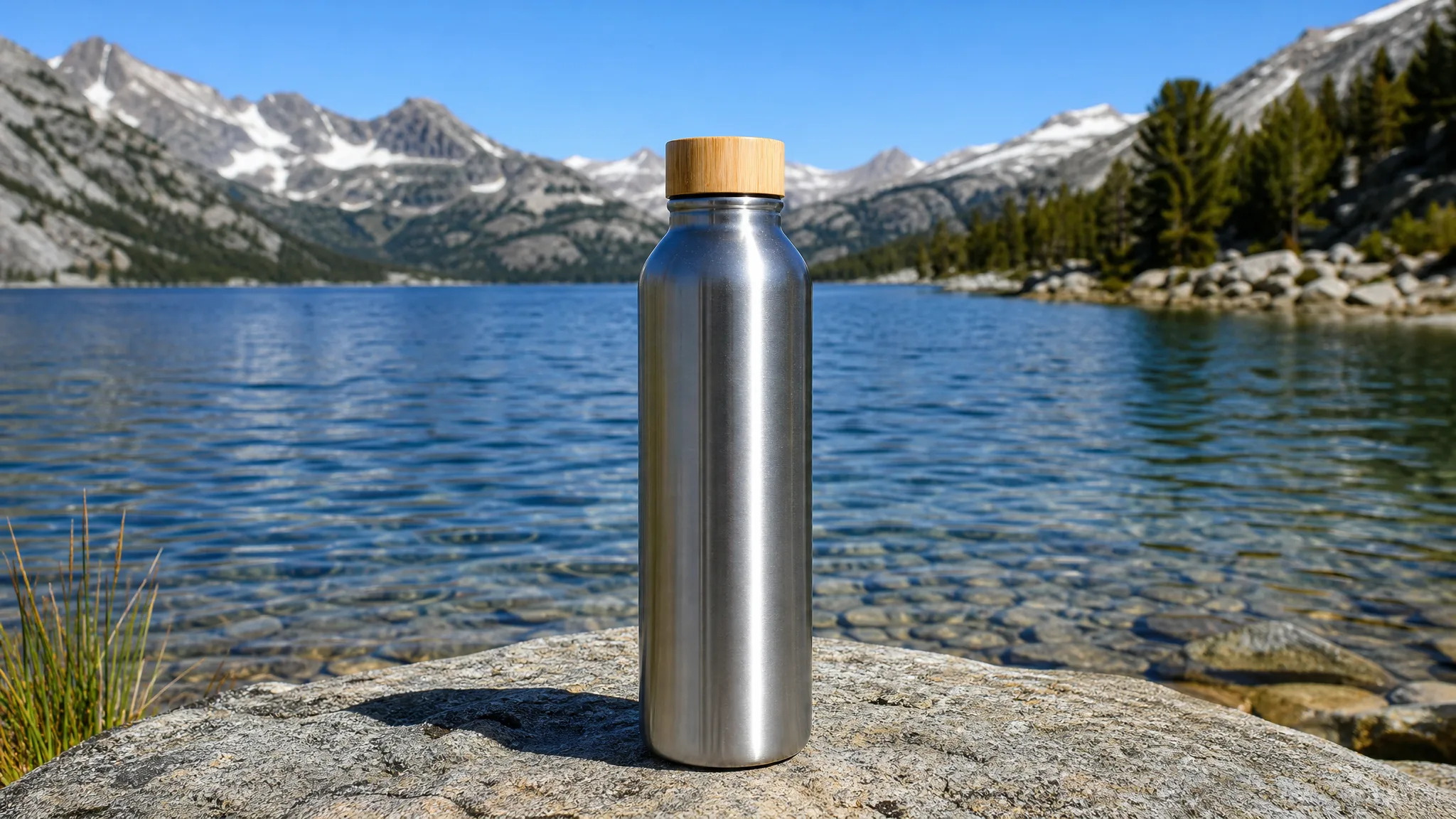
A product designer can take a FLUX product-scene concept into a restrained camera study with Flux image to video. The clip communicates the visual idea in a client pitch, with product details, labels and proportions checked before final use.

Illustrated world atmosphere

A concept artist can describe drifting clouds, water or light around a FLUX landscape. The short environmental shot from Flux image to video extends the mood of the original artwork for a worldbuilding presentation or a looping stream background.

Creative presentation inserts

A creative team can explore motion in a prepared FLUX image before deciding how a longer sequence should feel. The chosen clip becomes a concrete discussion point in a review meeting, which is easier to react to than a written description of motion.

Artwork-led social stories

An AI art creator can build a short reveal around a compelling detail in FLUX artwork with Flux image to video. Finish the Reel or story with the selected clip, titles and final sound, so followers see the still come alive before the full image appears.

Moving portfolio companions

An illustrator can pair the source artwork with a moving version on a portfolio page or a print shop listing. Comparing them gives viewers a way to appreciate the composition and the imagined motion together, without replacing the still itself.

What Creators Say About Flux Image to Video

Our poster concept had a strong central object but felt static in the presentation. I used FLUX image to video to explore a gentle move around the scene. The motion reference helped me judge how the shape read over time, and I used it to brief the opening of the campaign edit.

Christopher Palmer
Visual Designer

Flux Image to Video FAQ

Flux image to video answers: how finished FLUX artwork enters a video workflow, how creating the source image differs from animating it, and how to plan the moving scene.

Flux image to video here adds motion to an existing FLUX image using a supported ImgVid video engine. FLUX supplies the still artwork; this page does not provide a FLUX video model.

No — the Flux image to video page begins with an existing picture and develops a video take. To create or edit the source, use the AI Image workspace, which offers Flux 2 Pro, Flux 2 Flex, Flux Kontext Pro and Flux Kontext Max, or bring finished FLUX artwork from another tool.

For Flux image to video, use a readable subject and a composition that already establishes the scene. Describe one visible action and a camera direction. Check faces, lettering and important details throughout the generated take.

Possibly — before using a Flux image to video clip commercially, check the rights to the source image, the chosen video model’s terms and the publishing rules. Animating a picture does not establish rights to another person’s likeness, artwork or brand.

Each generation uses credits according to the selected video model, mode and settings. Eligible free-tier choices are limited, and signup rewards may not cover a take. Review the workspace quote and your balance before creating.

ImgVid is not affiliated with FLUX or Black Forest Labs. It is an independent operator providing its own image-to-video workspace. Choose the video engine that fits the shot and compare the interpretation with your finished FLUX source image.

Artwork you upload for Flux image to video is not published. Free accounts and visitors keep Public Visibility on, so a finished clip of your FLUX image may be selected for Explore after review; a subscription or one-time pack starts generations private, which suits unreleased portfolio pieces.

Take Your FLUX Artwork into Its Next Scene

Upload the FLUX image you have already made, describe how it should move, and Flux image to video hands it to an ImgVid video model for the animation step. Review the take against your original, then give your artwork a new form for a story or portfolio.

Animate Your FLUX Artwork
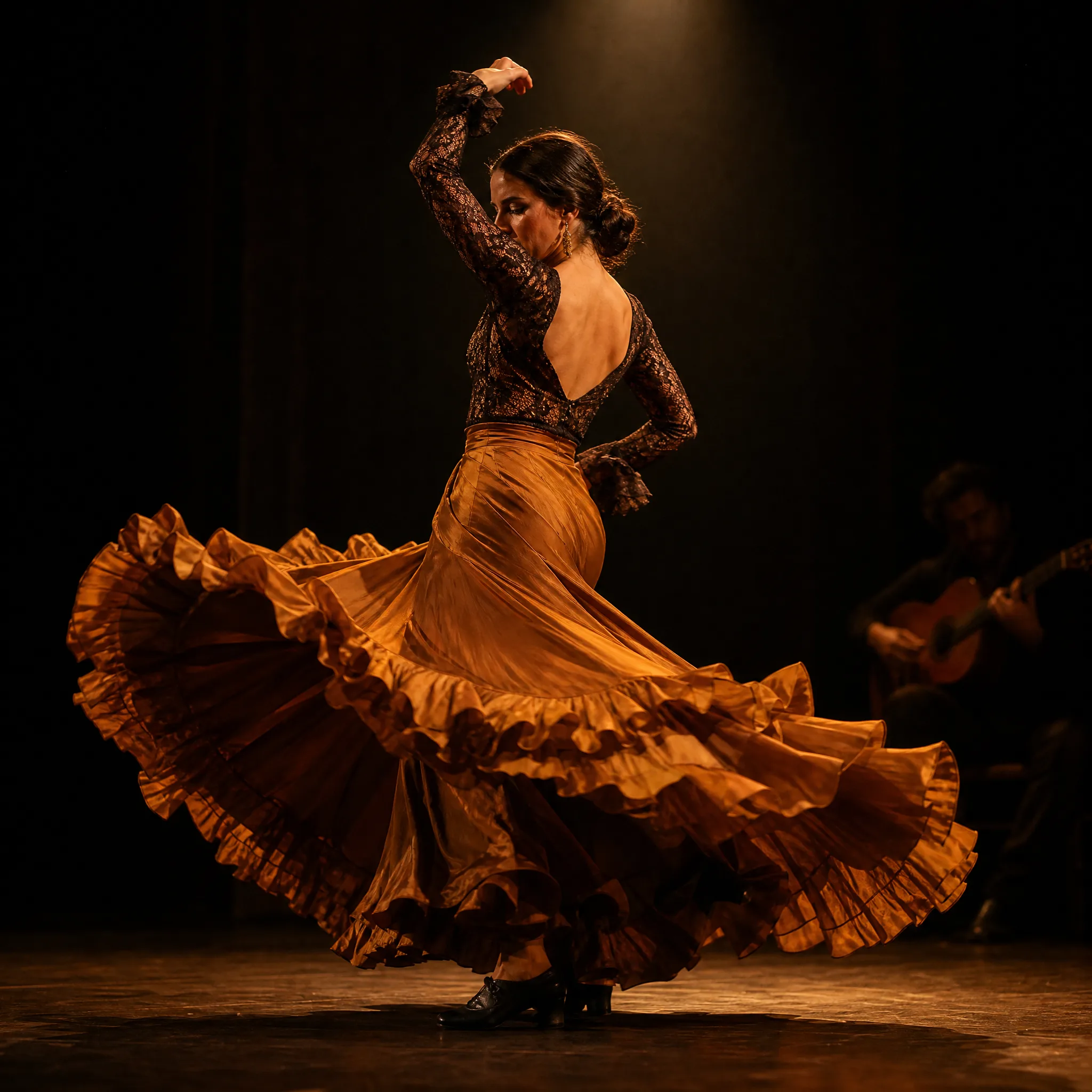
Flamenco dancer mid-turn on a dim stage, her long amber ruffled skirt flaring out under a single spotlight